
OUR OQEANOUS STUDENTS
- HOME
- OUR OQEANOUS STUDENTS
- IJP
- IJP Report (SHOU February 2025 - June 2025)
International Joint Program
IJP Report (SHOU February 2025 - June 2025)
2025.10.07
Graduate School of Marine Science and Technology
Course of Food Science and Technology
1st Year of Master's Course
A. K.
1. Reasons for studying abroad
I have always enjoyed talking to people and learning about different cultures and ways of thinking. Since becoming a university student, I have met more international students, and I have come to enjoy learning about the differences in ways of thinking between countries. In my laboratory and classes , I met international students who had come to study abroad without being able to speak Japanese yet, and I helped them solve problems and engage in discussions by communicating with them in English. This experience made me want to study abroad and test my abilities in an environment without Japanese people. I decided to study abroad at Shanghai Ocean University because there were professors in a similar field of study, I wanted to learn more about China because there were many Chinese friends (international students) in the my major class and my lab, I made local friends during the OQEANOUS Plus Short-Term Program in August 2024 who can rely on during my study abroad (and also because I like Chinese food).
2. Preparing for Study Abroad and Before Departure
Before departing, I was concerned about China's unique systems, such as restrictions on accessing apps and websites outside of China, my lack of Chinese language skills, dormitory life, and my inability to tolerate spicy food. I studied Chinese using the Duolingo smartphone app and practiced English by participating in joint English training sessions with the Overseas Exploration Team and conversing with international students in my laboratory before departing. Other than that, I gathered information from Chinese friends and made sure to have all the essential apps before departing (payment apps like WeChat and Alipay, the online shopping app Taobao, etc.). However, there were some differences in how the school handled Chinese students and international students, and individual perceptions varied, so there were a few things I regretted after arriving, I will describe those later. First, as part of my study abroad preparation, I obtained an X2 visa (valid for up to six months), which is a study abroad visa. Applying for a Chinese visa involves numerous complex requirements, such as 'the background of the photo must be white and the bangs must not cover the forehead,' 'an invitation letter from the destination country is required,' and 'various documents, such as a letter of recommendation from our university, must be prepared to obtain the invitation letter.' This year, the tourist visa was waived, but if a tourist visa is required, there will be many other visa applicants, and the waiting time will be longer. It is important to prepare everything well in advance. After that, I underwent a medical examination for travellers and obtained a 'Foreign Physical Examination Record' health certificate. This is mandatory for foreigners aged 16 and over who plan to stay in China for a long period (six months or more), but I underwent the examination because there are occasional spot checks at immigration and it is required for submission to the university. The examination and document preparation cost between 20,000 and 30,000 yen. If you have your blood type tested in advance, you will not have to pay for that part. Next, I purchased a 5-month China Unicom Hong Kong SIM card (15GB/30 days × 5) in advance to use apps like LINE and Instagram in China. (I purchased a SIM card without a phone number, but since a phone number is required for using Chinese apps and accessing various facilities, I strongly recommend purchasing a SIM card with a phone number or planning to contract a mobile phone number locally before travelling.)
3. Life as an exchange student
3.1 Climate
I had heard that Shanghai had high humidity, but it was about the same as Tokyo. February was cold enough to require a down jacket, but by April, thick long-sleeved shirts felt hot, and from May onwards, it became humid and hot, so I wore short-sleeved shirts. On rainy days, the humidity is so high that dense fog occasionally forms. The sun is very strong, so bring plenty of strong sunscreen. Sunglasses and a hat are also recommended. Japanese-made products can be purchased through local online shopping, but imported items may require a Chinese ID card or be expensive. Additionally, laundry dries slowly, so bring clothes that dry easily, and consider purchasing and disposing of them locally.
3.2 Food
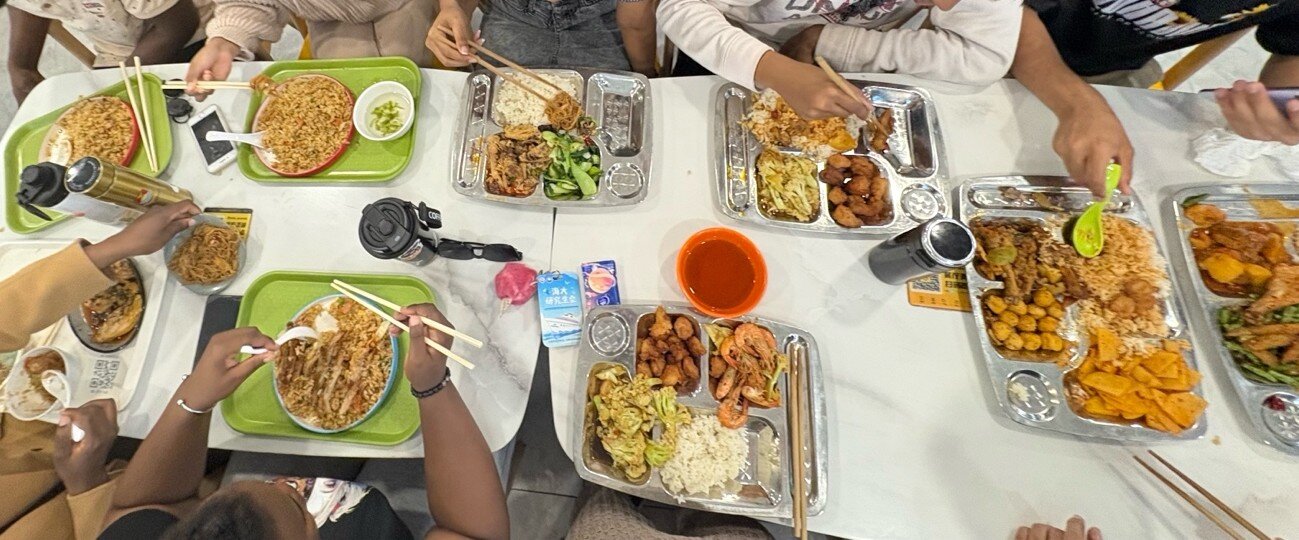
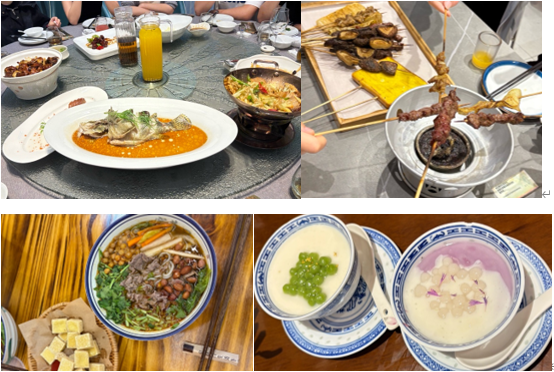
If you don't like spicy food, be careful with spicy foods that aren't red and cilantro. I don't like spicy food, so to avoid it, I choose foods that aren't red, check carefully to make sure there are no raw chillies in them, and tell the staff, 'Bu yao la (no spice): I don't want it spicy.' Additionally, when eating dumplings or noodles, toppings like garlic, scallions, and cilantro, as well as vinegar, soy sauce, sesame sauce, and leek paste, may be available for unlimited use or already added. If you dislike cilantro, I recommend remembering to say, 'Buyao shan cai (no cilantro): I don't want cilantro.' It's used in quite a variety of dishes. I love cilantro, so I was happy. Also, not only fish but also meat dishes and frog dishes often contain bones. In China, it is culturally acceptable to spit anywhere, including on tables, floors, trash cans, and the edges of plates, so be mindful that tables can be dirty and take extra care to avoid getting food on your sleeves.
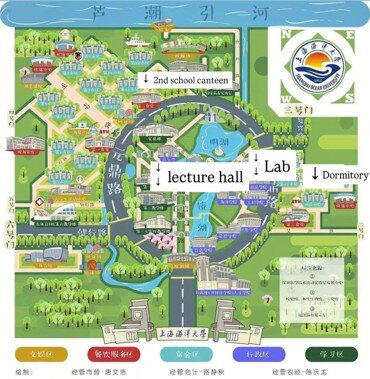
There are three cafeterias on campus. The closest to the dormitory is the Third Cafeteria, the closest to the lecture building is the First Cafeteria, and the largest with the longest operating hours is the Second Cafeteria. All dining halls are very crowded during lunchtime. There is also a LAWSON convenience store near the third and second dining halls. At LAWSON, you can buy the same LAWSON brand foods as in Japan, though they are more expensive. At the dining halls, you can receive a 20% discount by paying with your student ID, so be sure to charge your dining hall money as soon as you receive your student ID. However, it was quite difficult to obtain this information, so on the first day, I gave cash to a friend and had them pay for me. You can charge your cafeteria money via a mini-app within WeChat using your WeChat or Alipay balance, or by paying cash at the terminal in the third cafeteria (I haven't tried this, so I'm not sure about the details). However, you can't charge your WeChat balance unless you link it to a Chinese bank account. I didn't open a bank account, so I had a Chinese friend living in Japan send me money in Japanese yen to my WeChat balance.
3.3 Classes and Research Laboratories
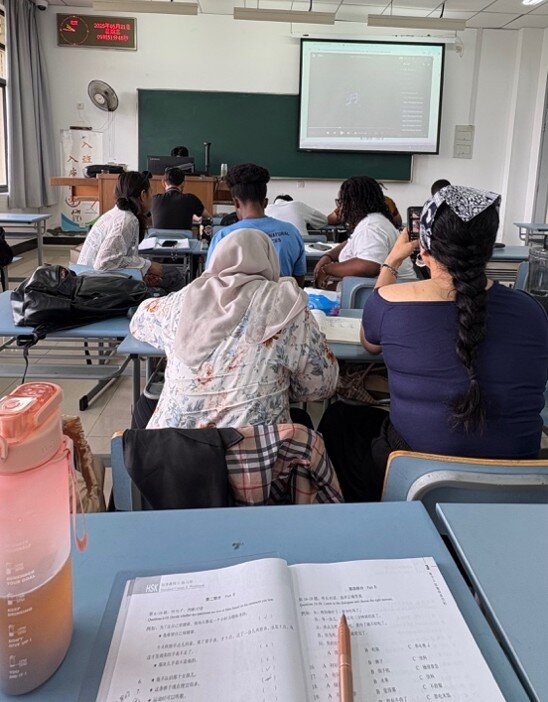
I heard that some classes would be conducted in English, so I focused on studying English before travelling to China. I was assigned to the Food Science Department (equivalent to a faculty in Japan), so I had relatively many classes in English, but it seems that the number of classes in English varies depending on whether you are an undergraduate or graduate student, whether it is the first or second semester, and which department you are in. I took Chinese language classes (HSK Level 3), graduate-level courses for international students in the Food Science Department such as 'Food Nutrition' and 'Advanced Analytical Strategies in Food Safety and Quality Management (using AI),' as well as English conversation classes for Chinese graduate students. This was decided on-site after consulting with my academic advisor, as there was little prior information available. Since we were second-semester-only international students, we couldn't check the syllabus or other information in the school's system, and the local coordinator didn't have that info either. So, we had to ask our tutor (a student assigned to help us in the lab) or our advisor to find it for us, but it was tough at first because we couldn't communicate well in English. We decided to attend the class in person to see what it was like before deciding where to enroll. There were also classes that started mid-semester, and in some cases, the instructor and classroom were not decided until just before the class began, which made us feel the difference from Japan. It was important to constantly check with friends and the supervising instructor for the latest information.
3.4 Interaction
This time, two students from Tokyo University of Marine Science and Technology and two students from Korea Maritime & Ocean University went to SHOU as exchange students through the OQEANOUS Plus IJP. There were other Korean exchange students, but apart from one student who came from TUMSAT on an exchange programme in April, there were no other Japanese students besides us. On the contrary, there seemed to be many Pakistani exchange students. We expanded our new relationships through classes, laboratories, dormitories, and other activities (such as events and Japanese language classes). In classes for international students, I made friends from other countries, and we helped each other out in the dormitory, went out together, and had fun. This is something you might experience no matter where you study abroad. However, surprisingly, many Chinese students are shy, making it difficult to become friends with them. Since I wanted to make Chinese friends, I took classes designed for Chinese students (which included group work and conversation) and actively participated in Japanese language classes and events. As a result, I was able to make many Chinese friends. In China, schedules, locations, and rules for events often change suddenly, so these connections with people are very important. Additionally, my friends were very kind, helping me by interpreting for me at the doctor's office when I was sick, purchasing imported goods for me, and even letting me stay at their homes. Furthermore, as I had always been interested in becoming a Japanese language teacher, I had the opportunity to discuss with two Japanese instructors in the Japanese language department about the challenges of the job, differences in work styles between China and Japan, and tips for teaching Japanese while considering cultural backgrounds. Both instructors kindly listened to my concerns and provided advice. I also had the chance to briefly experience explaining concepts at the blackboard during speech editing and vocabulary lessons, and received their self-created textbooks. Meeting these two people changed my future dreams.
I love travelling, and during these four months, I travelled to four places: Guangzhou, Shenzhen, Suzhou, Longyou, and Beijing. I travelled to Guangzhou with my Sri Lankan friend, to Suzhou and Longyou with my Chinese friends, and to Shenzhen and Beijing by myself. During my travels, I had various encounters. In Shenzhen, I became friends with a dim sum shop employee who didn't believe I was Japanese and spoke Chinese with me. In Beijing, I climbed the Great Wall with a French woman I met at the hotel.
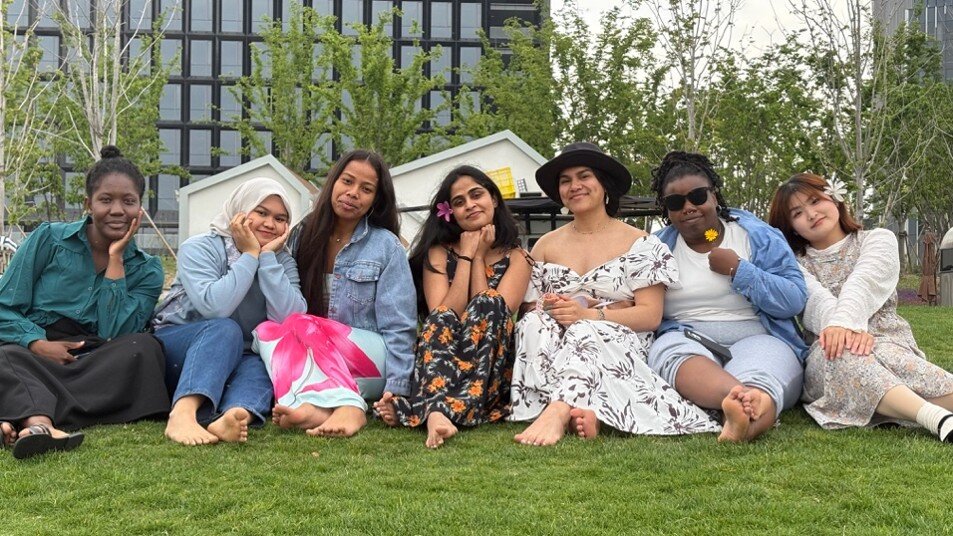 With Multi-national friends
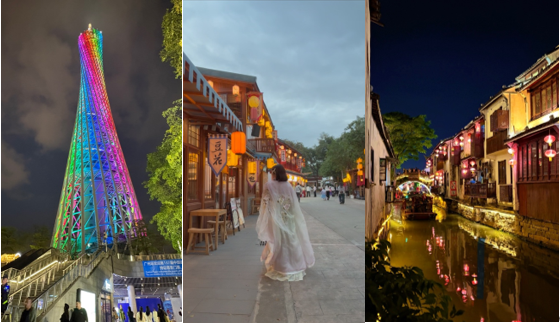

3.5 Events
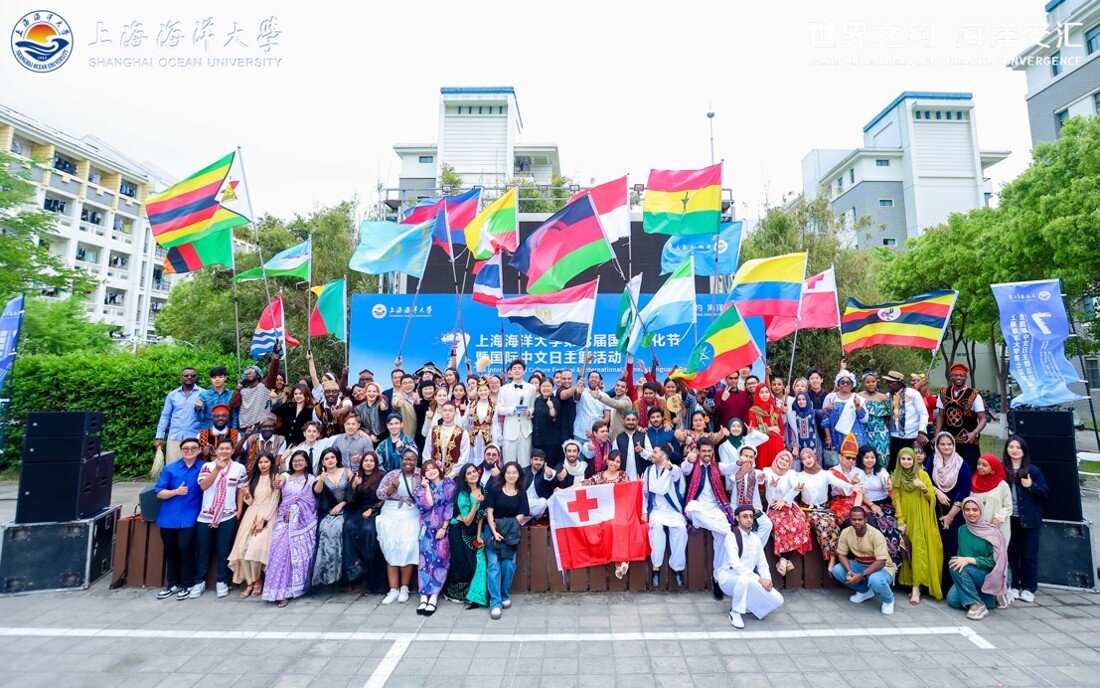
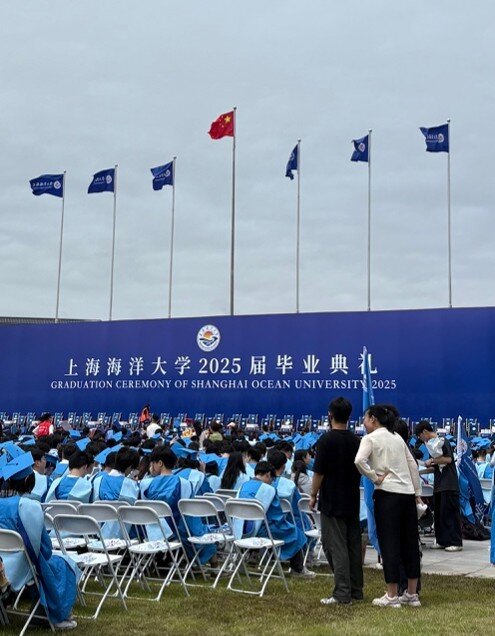
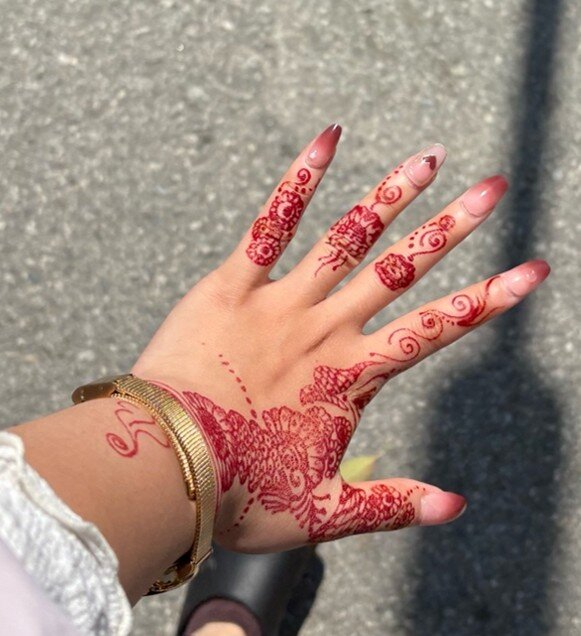
There are many school events, but it is difficult to obtain information about them, so I often found out on the day itself that something was happening. The only events I can say I participated in were the International Culture Festival and the graduation ceremony. In mid-April, my Cuban and Sri Lankan friends, who lived in the dormitory near me, invited me to participate in the International Culture Festival wearing traditional costumes from our respective countries. I purchased a yukata online and participated in the event. The International Culture Festival is an event where international students run booths offering food and cultural experiences, and perform songs and dances on stage. Wearing a yukata, I was often asked, 'Are you Japanese?' or 'Nihonjin desuka?' This led to new connections and exchanges. I felt that many people were interested in Japan and liked it, but I also realised that it is difficult to distinguish between Japanese and Chinese people, as I was often not believed to be Japanese when speaking Chinese. The graduation ceremony was held in mid-June, and since some of my friends were graduating, I attended to say goodbye. At SHOU's graduation ceremony, students wear academic gowns and mortarboards, and there is a tradition where professors spin the tassels of the mortarboards with a stick when the students bow to them. This scene was deeply moving and left a strong impression on me.
3.6 Dormitory Life
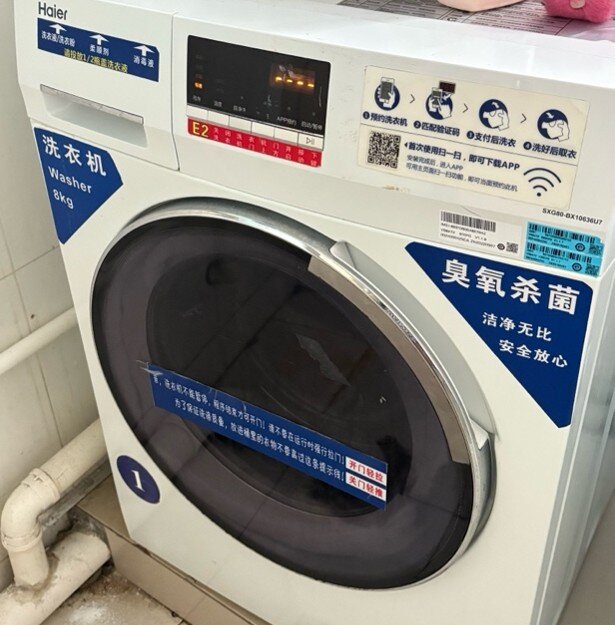
Regarding dormitory facilities, Chinese student dormitories have four-person rooms with bunk beds with desks underneath, and shared toilets (Western-style) and showers on each floor, but the dormitory for female international students was quite well-equipped. It is a six-story building with an elevator. On the first floor, there were two shared refrigerators with freezers (occasional thefts and spoilage occur), a kitchen, a washing machine (paid: 3.5 yuan per use), and a dryer. Each room had a Western-style toilet, shower, sink, two single beds (since it was a two-person room), a television, and ample storage space. If you encounter any issues in the dormitory, the dormitory mother is always present on the first floor, but since she does not speak English, a translation device is necessary. The floors in the shower room and washroom are made of marble, which is smooth and easy to clean but can be slippery. Other areas have carpeted floors, which are difficult to clean, so room shoes are mandatory. There is a shared trash bin on the first floor for disposing of food waste, but generally, residents are expected to collect their trash and take it to the designated disposal area from their individual rooms. Toilet paper cannot be flushed, so toilet paper waste is inevitable. Curfew is at 11:00 PM, and the doors are locked from 6:00 AM until then. If you need to return after curfew, you must contact the dormitory supervisor. Keys are on a deposit system, where you pay a deposit upon moving in, and the money is returned when you move out. Tap water is not drinkable, but you can subscribe to a water dispenser service or purchase bottled water within the dormitory. Some people only bought bottled water and purchased a water dispenser separately through online shopping, while others went to water dispensers in campus facilities (such as the library, lecture halls, or research buildings) to fill up their bottles. There are rental bicycles available on campus, and since it takes about 15 minutes to walk from the dormitory to the lecture halls, many people used them frequently. (1.5 yuan/30 minutes or a pass, but a Chinese phone number is required) Grocery stores, fruit shops, and restaurants are located near Gate 6, and I occasionally bought snacks or bananas there. However, I purchased vegetables and meat through 'Dingdong Maicai' or 'Meituan' and had them delivered to Gate 3.
3.7 Things I noticed
* Chinese people seem to take the phrase '谢谢xiexie: thank you' very seriously.
My friends asked me, 'Why do you say thank you so much?'
* It was a culture shock to me that all business communications were done using WeChat (an app similar to LINE).
It uses a lot of storage space, so make sure your smartphone has enough capacity. I also felt that Chinese students have personalities similar to Japanese people. Many are shy and lack confidence in speaking English, so it's easier to make friends if you take the initiative to talk to them. English pronunciation varies depending on the native language, such as Japanese katakana English or Pakistani English with strong rolled Rs, but Chinese pronunciation is particularly unique with strong consonants and accents. This is thought to be due to the pronunciation of Chinese.
* Chinese pronunciation and listening comprehension are difficult.
Chinese has four tones and the concept of aspirated and unaspirated consonants, which are not present in Japanese, making listening and speaking very challenging. While there is a phonetic system called Pinyin, which uses the alphabet, many words have different pronunciations and sounds than their alphabetical spellings, so even with Pinyin, it is difficult to pronounce them correctly. However, there are occasionally words that use the same Chinese characters and have the same meaning as in Japanese, which is relatively advantageous.
* China is a country that is prone to change.
Not only university-wide classes and events, but even city policies often see last-minute decisions or cancellations. In one of the courses I took, the instructor, schedule, and location were not decided until the week the class was supposed to start, and there were also cases where campus events were suddenly postponed without notice.
4. After studying abroad
In terms of language skills, I couldn't speak Chinese at all, and communication with professors and international students was in English, so at first I couldn't speak fluently. However, as I made friends with various people and went out with them, I gradually built up my vocabulary and became able to speak to a certain extent. After returning home, my international student friends told me, 'Your English has improved.' Since English is indispensable for writing and presenting my master's thesis and communicating with international students in the laboratory, I believe that the English skills I have developed this time will be useful in the future. Additionally, I took the HSK Chinese proficiency test in Shanghai and passed the Level 4 exam. To be honest, I was surprised that I was able to pass after only four months of study. I believe this was thanks to the support of my Chinese language instructor, who provided enjoyable lessons, and my Chinese friends who studied with me. When I reported my passing with gratitude, they were as happy as if it were their own achievement.
In terms of my way of thinking, as mentioned in 3.6, I was able to remain calm in the face of minor incidents in a rapidly changing environment, accept them with a 'well, it's okay' attitude, and immediately think about 'what should I do next?'
In addition, I was able to become more tolerant of differences in ways of thinking after being exposed to the various ways of thinking of my friends from different countries, and I now have more countries I want to visit. Many of them have expressed a desire to visit Japan, and I promised to show them around if they ever come.
5. For those planning to study abroad
I have mentioned several important points throughout this article, but I will summarise them again here.
* Get a local mobile phone number and open a bank account.
A phone number is essential for most apps and WeChat facility reservations. In addition, a bank account is usually required to charge money to your student card for meals at the cafeteria. (See 3.1 Food)
* You will definitely use apps like WeChat (payments, chat), Alipay (payments), and Taobao (online shopping). Additionally, here are some apps I actually used: Happiness Life (laundry), Baidu Translate (translation, works even under China's communication restrictions and has high translation accuracy), and Meituan (delivery, can also order Japanese food).
* Prepare any special tasks required to use Japanese apps before departing for Japan.
*Chinese visa applications have strict and complex rules. Check your passport validity and ID photos carefully. You may also need a 'Foreign Physical Examination Record.' Book an appointment at a hospital that conducts pre-departure health checks and prepare the necessary documents in advance. (Refer to Section 2: Study Abroad Preparation and Pre-Departure)
*Choose your laboratory and courses carefully. It would be helpful to talk to students from SHOU who are studying at Tokyo University of Marine Science and Technology.
* Bring as many medications and foods you are accustomed to eating in Japan as possible. I caught a cold twice in the past four months and ran out of cold medicine, which was a problem. I wish I had brought at least a month's supply of medication. For those sensitive to oil or spicy foods, stomach medicine is also important. Pack miso soup mix and instant noodles into your carry-on luggage. While these items can be purchased locally, they are more expensive, and storage methods and expiration dates may differ, resulting in a different taste.
* There are fewer Chinese people who can speak English than you might think. At places like the cafeteria or supermarket, English generally didn't work. The only places where it really worked were theme parks like Disneyland or the Chinese Ethnic Village. Even in the lab, there weren't many students who could speak English. I think I would have enjoyed things more if I had studied Chinese more before coming.
* In China, the concept of hospitality like in Japan isn't that important, and things tend to move efficiently and rationally. Therefore, if you imagine the kind of response you would receive in Japan, you may be shocked by the gap. Even on campus, at hospitals, or on high-speed trains, if you ask a question about something you don't understand, you should be prepared for the response not to be what you expect. However, while they are strict about established rules, if the person in charge says it's okay, things often work out. So, if a problem arises, it's best to find someone who will listen to you and communicate with them.
*I often hear that studying abroad changes your worldview, and I myself have certainly experienced many moments when my unconscious preconceptions of 'how things should be' were shattered by exposure to different cultures and ways of thinking, and I feel that my outlook has become a little more optimistic. (See 4. After studying abroad) I think everyone has their own feelings about this, but I believe that encountering different ways of thinking will surely provide you with stimulation that you cannot get from just doing research in a Japanese laboratory.
Finally, I cannot express enough gratitude for all the encounters and experiences that have helped me grow, including the OQEANOUS Plus coordinators, my research laboratory supervisor at SHOU, my course instructors, Japanese language teachers, laboratory friends, Chinese friends I made in English classes, Japanese language department friends, and multinational friends I made in Chinese classes and dormitories. Thank you so much.
For those considering studying abroad at SHOU in the future, I may be able to introduce you to reliable Japanese language instructors and friends who will sincerely support you on-site. Please feel free to contact me through the OQEANOUS Plus office for consultation or inquiries.
