
OUR OQEANOUS STUDENTS
- HOME
- OUR OQEANOUS STUDENTS
- IJP
- IJP Report (SHOU February 2025 - June 2025)
International Joint Program
IJP Report (SHOU February 2025 - June 2025)
2025.10.07
Graduate School of Marine Science and Technology
Course of Marine Resources and Environment
1st Year of Master's Course
A. S.
Motivation for Studying Abroad
I had always wanted to experience studying abroad in a non-English-speaking country. Among the various options, I chose China because it is one of the most widely spoken languages in the world, and I believed learning Chinese would be a valuable asset in both academic and professional settings. Additionally, given Japan's close geographical and cultural ties with China, I felt that living there would offer me more than just language acquisition--it would allow me to gain firsthand experience of Chinese culture and society. With this in mind, I decided to participate in a short-term study abroad program at Shanghai Ocean University.
Preparations Before Departure
My departure was scheduled for the day after my graduation thesis presentation, which meant I had to manage both my thesis and study abroad preparations simultaneously. It was an incredibly hectic period. One of the most challenging aspects was the visa application process. I had to visit the visa center in person and also obtain official documents from the Metropolitan Police Department, all within a limited timeframe. Despite the stress and time pressure, I now look back on this period as a valuable learning experience.
About the Classes
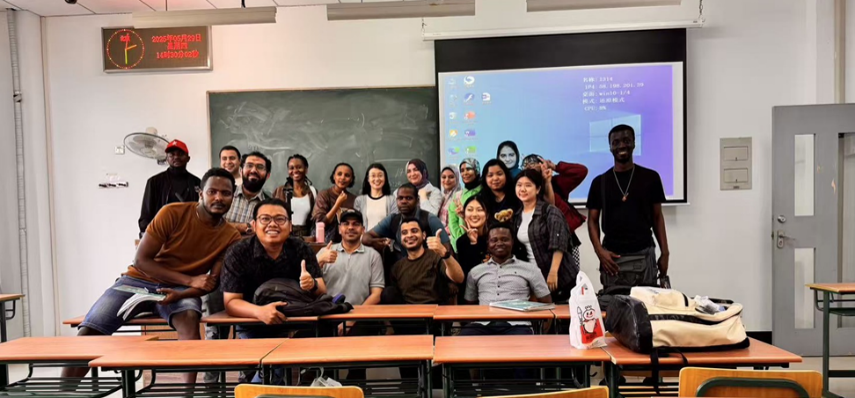
Unfortunately, I wasn't able to take classes in my area of specialization or be assigned to a research lab. However, I used this opportunity to focus on improving my Chinese and English language skills. In Chinese class, I learned the basics such as pronunciation, grammar, and daily conversation, which I could immediately put into practice in real-life situations. The English classes provided opportunities for discussions and presentations with students from various countries, allowing me to experience diverse perspectives and cultures. Through these language studies, I not only improved my communication skills but also deepened my intercultural understanding.
Dormitory Life
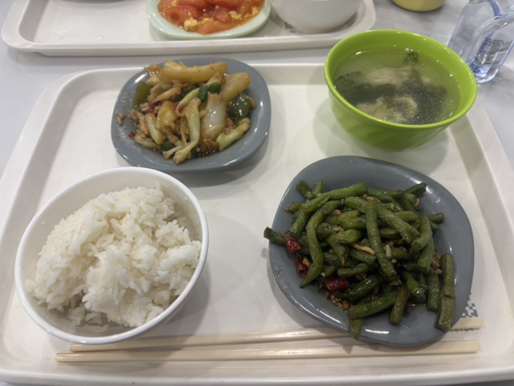
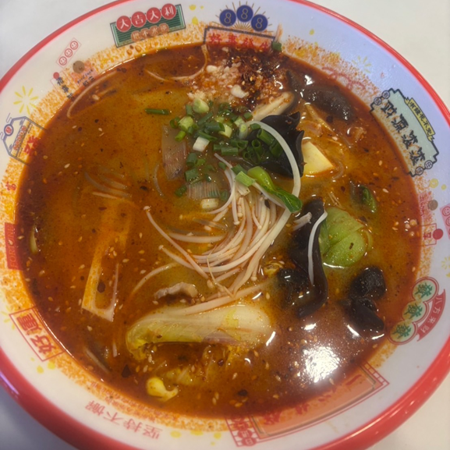
I was assigned to a two-person dormitory room but had it all to myself, which made for a comfortable living environment. However, there was no kitchen in the dormitory, so I relied on eating out or using the school cafeteria. Although most of the food was spicy, it was delicious and reasonably priced, so meals were never a problem.
There were, however, some inconveniences. For instance, there were only two washing machines available for about 70 residents, so doing laundry often required waiting. Also, the dormitory had a strict curfew from 11 PM to 6 AM, which required careful planning when going out. While it was a bit difficult to get used to at first, the experience helped me develop a more structured daily routine.
Travel Experiences
Since classes were held only once a week, I had plenty of free time, which I used to enjoy various activities. On weekdays, I often went to a gym near campus or had picnics with friends to relax and unwind.
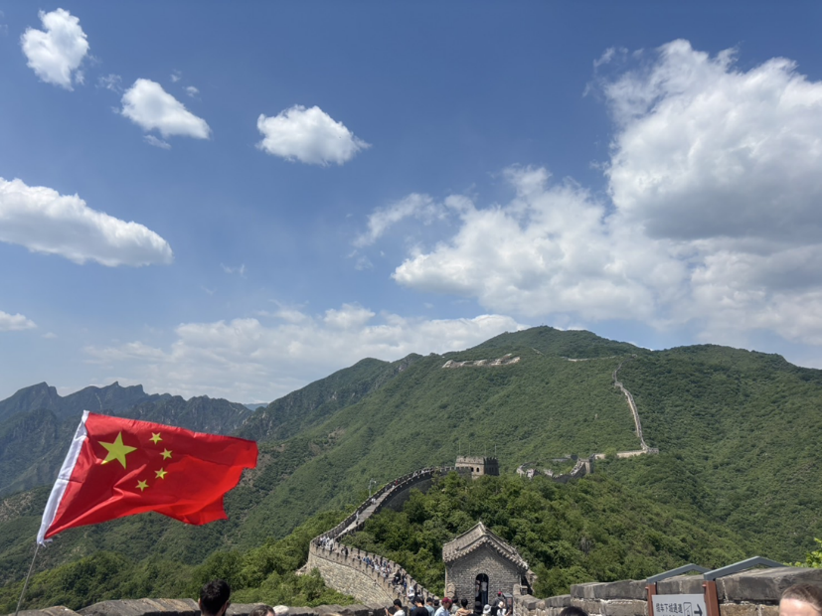
The highlight of my travels during the program was a trip to Beijing. Visiting the Great Wall of China had always been a dream of mine, and I was thrilled to finally make it happen. Although the 16-hour train ride was exhausting, seeing the magnificent Great Wall in person was incredibly moving. Compared to Shanghai, Beijing had a completely different atmosphere, with its rich history and traditional architecture. It was a truly memorable and rewarding journey.

Advice for Future Students
If you're even slightly interested in studying abroad during your time as a student, I strongly encourage you to take the leap. Once you enter the workforce, it becomes much harder to find the time and opportunity for long-term overseas experiences. Studying abroad as a university student is a rare and valuable chance to broaden your horizons.
However, before going, it's essential to clarify what you want to learn and confirm whether the host university can accommodate your academic goals. Especially if you hope to take specialized courses or join a research lab, be sure to communicate thoroughly with the partner university and your home institution in advance. Proper preparation and clear expectations will help you make the most of your study abroad experience.
