OUR OQEANOUS STUDENTS
- HOME
- OUR OQEANOUS STUDENTS
- IJP
- IJP Report (TUMSAT October 2024 - March 2025)
International Joint Program
IJP Report (TUMSAT October 2024 - March 2025)
2026.04.22
Stepping into an unfamiliar land with almost no knowledge of Japanese was daunting, yet the 2024 OQEANOUS Plus program turned that challenge into an invaluable opportunity for growth. When I first arrived in Japan, navigating life with limited Japanese skills felt overwhelming, but the process ultimately became a driving force for my personal and academic development. The language barrier, but it ultimately became a driving force for my growth. This program offered me a unique chance to go beyond academic achievements, broaden my horizons, and enhance my global competence. Living abroad is a rare opportunity, and I recognized that this experience could become a meaningful chapter in my life, providing lessons and memories that I would carry forward.
Academic Achievements and Opportunities for Collaboration
The numerous opportunities for presentations during classes and seminars greatly contributed to improving my English proficiency. Initially, presenting and discussing complex topics in English was daunting, but over time, I gained confidence. The support of my peers and guidance from professors helped me develop logical thinking and effective communication skills. One of the most memorable projects involved comparing and analyzing the logistics systems of Korea, Japan, and China. By discussing the strengths and weaknesses of each country, we proposed innovative solutions through collaborative efforts. In addition, I had the opportunity to showcase a QGIS-based project representing South Korea. This presentation focused on how Geographic Information Systems (GIS) can optimize logistics and urban planning in Korea. The use of QGIS allowed us to visualize complex data such as transportation routes, warehouse locations, and population density. My team demonstrated how these tools could address real-world challenges and improve efficiency in logistics operations. Preparing and delivering this presentation not only deepened my understanding of GIS but also allowed me to represent my country's advancements in this field to an international audience.
Learning Japanese in Daily Life
Living in Tokyo for five months allowed me to experience aspects of life that short-term travel often overlooks. During this time, I discovered hidden gems, including local restaurants that offered authentic and unique dishes far from the usual tourist hotspots. Exploring these places gave me a deeper appreciation for Japanese cuisine and culture. Moreover, I had the opportunity to observe and engage in the routines of local residents. From witnessing the early morning bustle at neighborhood markets to understanding the intricate customs of daily life, I gained insight into the authentic rhythms of Tokyo. These experiences enabled me to connect with the city on a much more personal level and to appreciate the nuanced beauty of everyday life in Japan. For example, I once participated in a local festival with my Japanese friends and attempted to use the Japanese phrases I had learned to engage in conversations. Although it felt awkward at first, with my friends' support and positive feedback, I became more comfortable and natural in my interactions. These moments went beyond language learning, fostering cultural understanding and empathy.
Unforgettable Travel Experiences
Through the CAMPUS Asia Program, I had the opportunity to travel to various regions in Japan and create unforgettable memories. One of the highlights was staying at a cozy pension by Lake Yamanakako, with Mount Fuji towering in the background. Enjoying a barbecue with friends and immersing ourselves in the tranquility of nature was a truly enriching experience. The crisp evening air, the crackling sound of the barbecue, and the laughter shared with friends added depth to the experience. Gazing at the starlit sky and reflecting on the journey with heartfelt conversations remains a cherished memory. This experience was more than just a trip; it was a special moment of connection with nature.
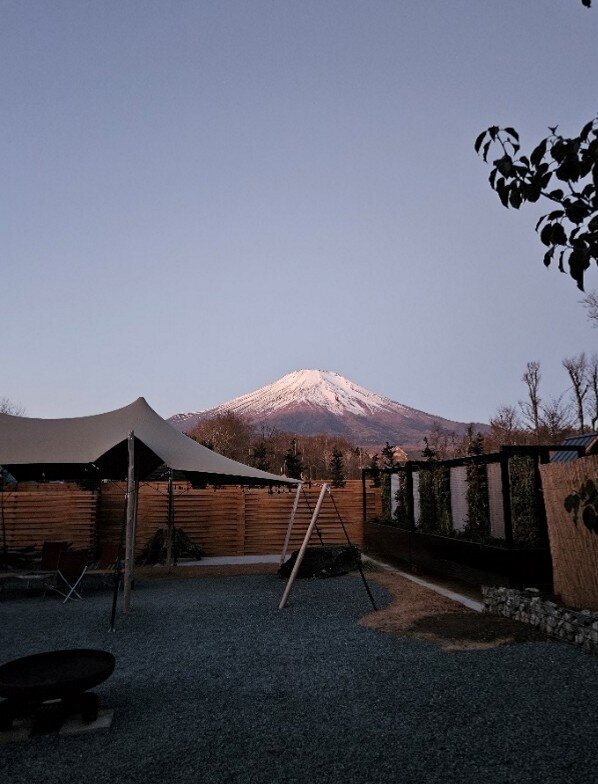
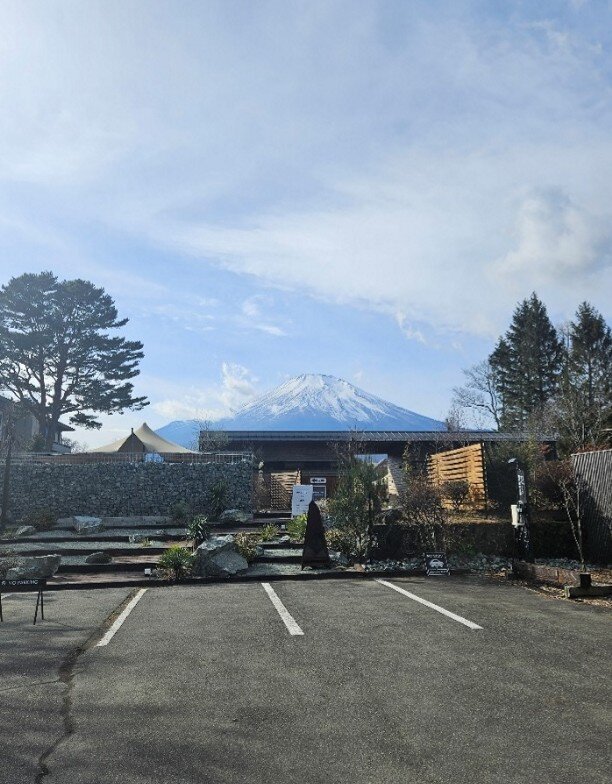
(The dawn and afternoon of Mount Fuji)
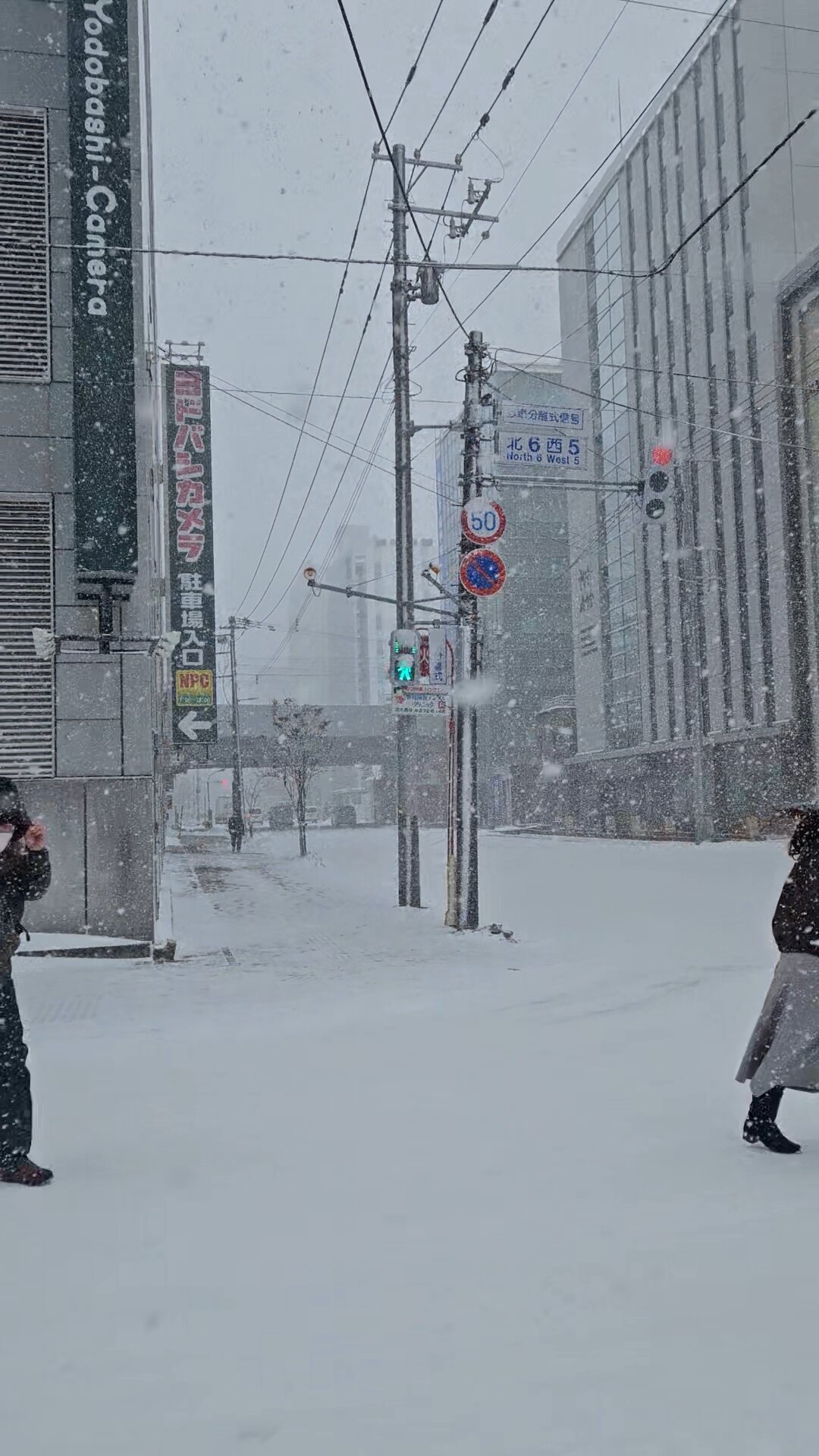
In Sapporo, I experienced the unique culture and breathtaking winter scenery of northern Japan. One of the highlights was visiting the Sapporo Beer Museum, where I not only learned about the rich history of Japanese beer but also had the chance to taste some exclusive brews available only in the region. The snow-covered Odori Park during the renowned winter festival was like stepping into a fairy tale, with intricate ice sculptures, vibrant lights, and a lively atmosphere filled with music and laughter. Additionally, exploring the Nijo Market and savoring freshly caught seafood, such as uni (sea urchin) and crab, offered a deeper appreciation for Hokkaido's culinary traditions and its connection to the surrounding sea.
In Tokyo, I explored the vibrant contrasts of the city, where tradition and modernity coexist. Walking through the narrow streets of Asakusa, I discovered traditional Japanese shops and temples. Meanwhile, the bustling atmosphere of Shibuya showcased the dynamic energy of urban Japan. These experiences went beyond tourism, deepening my understanding of Japanese society and culture.
Cultural Exchange and New Insights
The greatest advantage of the CAMPUS Asia Program was the opportunity to gain new insights through cultural exchange. During one of our group projects, a cultural misunderstanding arose when teammates from Korea, Japan, and China had conflicting approaches to decision-making. Korean students leaned towards quick, practical solutions; Japanese students valued a slower, consensus-driven process; and Chinese students emphasized efficiency through delegation. These differing approaches initially created tension and slowed progress.
To address this, we decided to dedicate a meeting to openly discuss our expectations and working styles. By listening to each other's reasoning, we learned to appreciate the strengths of these approaches. We then implemented a hybrid system--delegating certain tasks while holding discussions on major decisions--to ensure efficiency and inclusivity. This compromise improved not only our project outcomes but also our understanding of each other's cultures. The process underscored the importance of communication, adaptability, and mutual respect in cross-cultural teamwork.
Through this experience, I discovered the joy of finding common ground, even in the face of cultural differences. Whether it was learning to appreciate diverse working styles or uniting over shared goals, these moments underscored the profound value of international collaboration and mutual respect.
The Value and Future of the OQEANOUS Plus program
The OQEANOUS Plus programwas not solely about academic achievement. It provided a platform for students from diverse backgrounds to communicate and collaborate, fostering a deeper understanding of the world through language and culture. The experiences and insights I gained can serve as inspiration for other students.
I hope to contribute to expanding the program by proposing various ideas. For instance, creating promotional materials based on participants' testimonials or hosting workshops to share success stories from different countries could significantly enhance the program's visibility and outreach. Organizing workshops could include sessions where students present their cultural exchanges, academic collaborations, and lessons learned from living abroad. These workshops would provide a platform for meaningful dialogue, allowing current and prospective participants to engage deeply with the program's objectives and achievements. By showcasing these real-world examples, such initiatives would not only inspire prospective students but also underline the practical and cultural value of participating in the program. Ultimately, these efforts could enhance the program's sustainability and positively influence a broader audience of students worldwide.
Conclusion
For students considering applying for this program, I urge you to embrace the opportunity wholeheartedly. Living abroad may initially seem intimidating, with uncertainties about language, culture, and adaptation. However, these concerns quickly fade as you immerse yourself in the supportive environment of OQEANOUS Plus. You will not only adapt but thrive, turning challenges into stepping stones for personal and professional growth. The friendships you forge, the lessons you learn, and the memories you create will stay with you long after the program ends.
The OQEANOUS Plus program offered me more than just the opportunity to learn languages and cultures. It allowed me to grow academically and personally by building confidence in both English and Japanese. Additionally, interacting with people from diverse cultural backgrounds broadened my global perspective and deepened my understanding of the value of international collaboration.
Through this testimonial, I hope to share the value and potential of the CAMPUS Asia Program with others. I believe this program will continue to provide students with new challenges and opportunities, enriching their lives in meaningful ways. Lastly, the experiences I gained will guide me in playing a more significant role in international environments in the future. OQEANOUS Plus was not just a program for me; it was a pivotal turning point in my life.